
MMA Training for Beginners: You Need All of It
MMA isn’t a style. It’s a collection of styles that have to work together while someone tries to hurt you. Striking, wrestling, jiu-jitsu. Skip one and you’ve got a hole in your game.
If you want to start mixed martial arts, this is how it works, how to set up your week and how to avoid the mistakes that wreck beginners.
What is MMA training?
MMA training is learning to fight in every range: striking on the feet, clinch work against the cage, takedowns and ground control. Most gyms break classes into striking, wrestling, jiu-jitsu and conditioning, then put them together in MMA sessions.
The three pillars
Striking. Boxing and Muay Thai give you hands, kicks, knees and elbows. This keeps you safe on the feet and lets you hurt people. Start with boxing basics and Muay Thai.
Wrestling. Takedowns and takedown defense decide where the fight happens. Good wrestlers choose whether to stand or go to the ground. Wrestling also teaches pressure, balance and how to stay on top of someone.
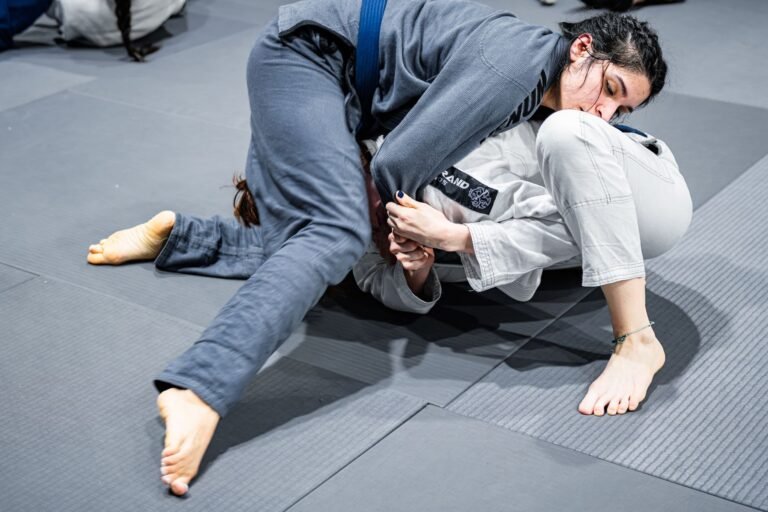
Jiu-jitsu. Once it’s on the mat, you have to know how to survive, escape and finish. Not sure where to start? Read what your first month of BJJ feels like.
How to start MMA
Find a gym with real coaches in all three areas. Learn the basics of each. Expect to feel bad at everything at first. That’s the entry fee. If you’ve got a strong base in one art, use it to carry you while you learn the others.
A simple MMA training week for beginners
- Two striking sessions.
- Two grappling sessions, wrestling and jiu-jitsu.
- One strength and conditioning day.
- One rest day. Actually rest.
That’s about five sessions. If that’s too much right now, cut it down. Three solid sessions a week beat six sloppy ones.
What gear do you need for MMA?
Mouthguard, hand wraps, boxing gloves, MMA gloves for grappling and striking drills, shin guards, shorts and a rash guard. Your gym will tell you what they require. Don’t buy a pile of gear before your first class.
Sparring
Go light. Go often. Build skill, not damage. Protect your head, your joints and your long-term health. Hard sparring too early ruins training partners and careers. A good coach will control the room and stop things when they get sloppy.
The mindset
You’ll lose rounds. You’ll get hit, held down and choked. Come back anyway. The ones who last aren’t the toughest on day one. They’re the ones who show up on day one hundred.
Before you step into the cage, get strong and durable. Here’s how to lift for grappling and why cross-training matters.
FAQ
How long does it take to learn MMA?
You can learn the fundamentals in a year of consistent training, but real skill takes years. Focus on getting better each month.
Do I need experience in martial arts to start MMA?
No. Most gyms welcome beginners. You will start with basics in striking, wrestling and jiu-jitsu.
How many days a week should a beginner train MMA?
Three to five sessions a week is enough for most beginners, with at least one full rest day.
What should I learn first in MMA?
Basic striking and defense, basic takedown defense and how to survive on the ground. You build from there.
Train hard. Dress like it. 80SIX makes combat apparel for BJJ, grappling, MMA, boxing, strength training and tactical training. Shop the latest drop and Live Tough.