
Cross-Training: Why Every Fighter Needs Striking and Grappling
Strikers who can’t grapple get taken down and held there. Grapplers who can’t strike get hit on the way in. The fix is easy to say and hard to do: train both.
This is why cross-training in combat sports matters, what each side learns from the other and how to add a second art without frying yourself.
What is cross-training in combat sports?
Cross-training means training more than one fighting art. A boxer takes a grappling class. A jiu-jitsu player adds Muay Thai. Eventually the pieces connect and you end up doing MMA, even if you never compete.
What strikers learn from grappling
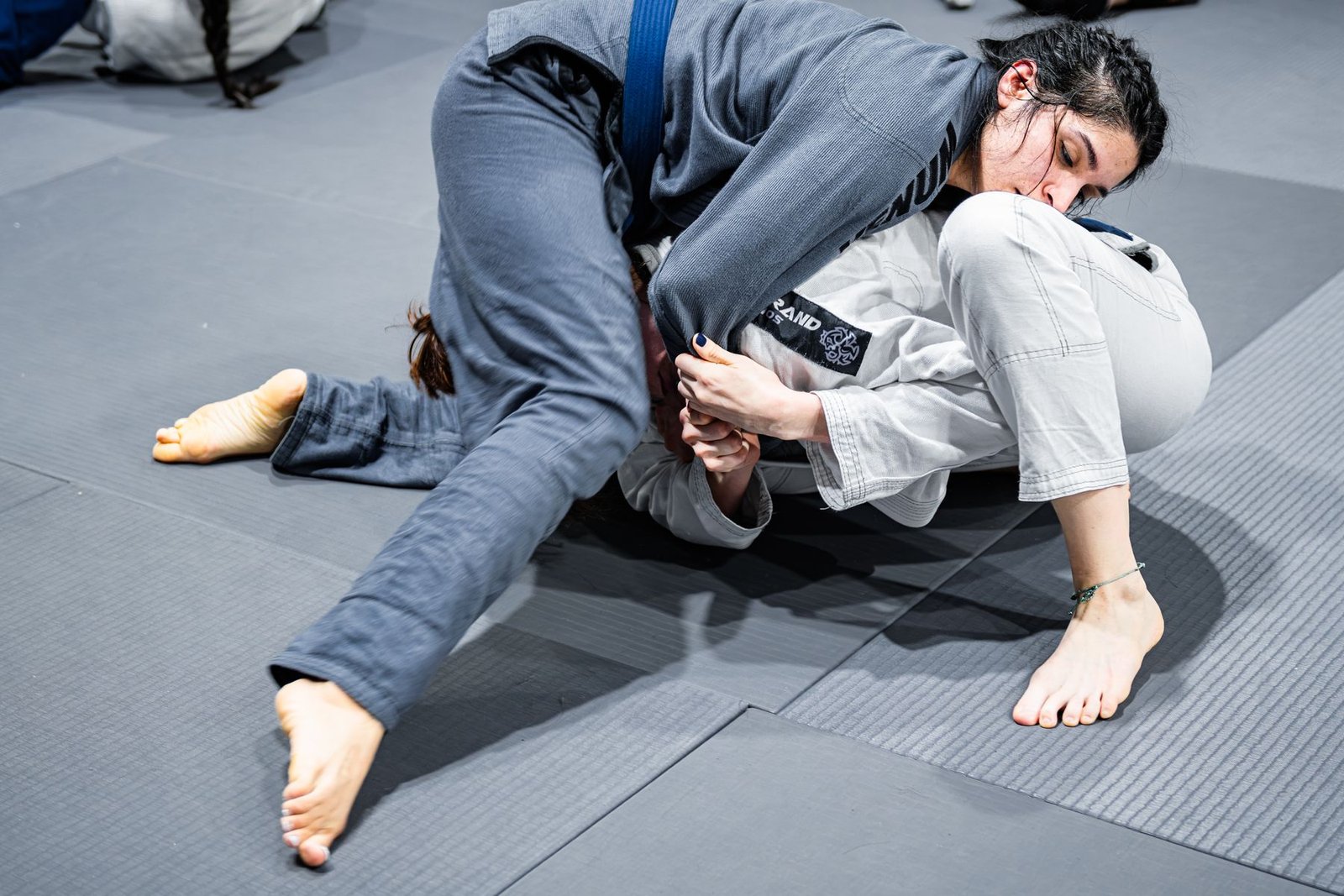
Staying calm on the ground. Surviving when someone is on top of you. Takedown defense. A good grappling base means a bad moment doesn’t become a lost fight. If you box or kickbox, one grappling class a week changes how you see the whole game.
What grapplers learn from striking
Distance, timing and how to take a hit and keep moving. Striking also teaches you to set up takedowns instead of shooting blindly. Even a basic jab and good footwork improves your entries. See boxing basics and Muay Thai for beginners.
Why it makes you harder to beat
A one dimensional fighter is predictable. Once your opponent knows where you’re strong, they avoid it and attack your weak spot. When you can strike, clinch, wrestle and submit, they have no safe place to go. That’s the whole point of MMA.
How to add a second art without burning out
- Pick a main art and add a second one slowly.
- Don’t stack hard sparring days back to back.
- Keep a day for strength work and a day for rest.
- Treat the new art like a beginner. Check your ego at the door.
- Tell both coaches what you’re doing.
A sample cross-training week
- Monday: Striking class.
- Tuesday: Grappling class.
- Wednesday: Strength and conditioning.
- Thursday: Striking or grappling, whichever is weaker.
- Saturday: Open mat or MMA class.
- Sunday: Rest.
The hardest part
Being bad at something again. If you’re good at one art, starting another humbles you fast. Embrace it. It’s the fastest way to get better and it keeps you honest. Your ego will complain. Let it.
Where it leads
If you keep going, you end up in MMA. Even if you never compete, cross-training makes you tougher, sharper and harder to beat. Start with MMA training for beginners, and gear up with our no-gi gear guide.
FAQ
Should I cross-train in more than one martial art?
If you want to be a well rounded fighter, yes. Adding a second art fills gaps in your game and makes you harder to beat.
What is the best combination of martial arts?
A striking art like boxing or Muay Thai combined with a grappling art like wrestling or BJJ is the classic base for MMA.
How do I avoid burnout when cross-training?
Add the new art slowly, avoid stacking hard sparring days, and schedule rest and strength days.
Can cross-training prevent injuries?
It can improve durability and awareness, but it also adds training volume. Listen to your body and recover well.
Train hard. Dress like it. 80SIX makes combat apparel for BJJ, grappling, MMA, boxing, strength training and tactical training. Shop the latest drop and Live Tough.