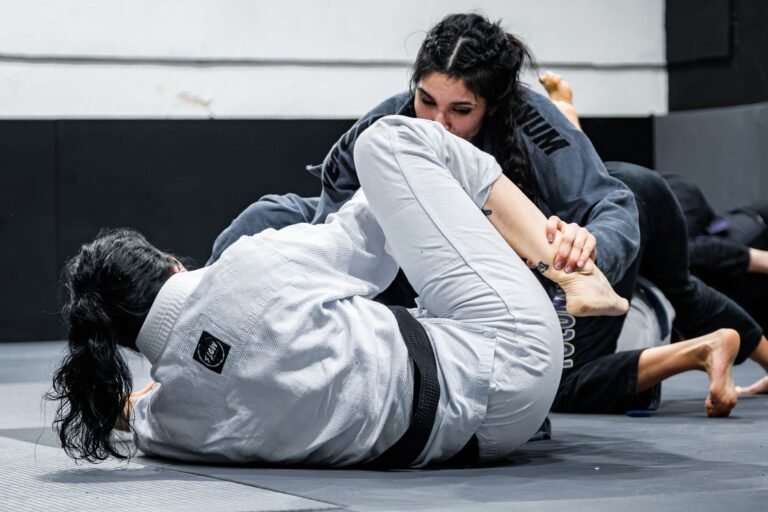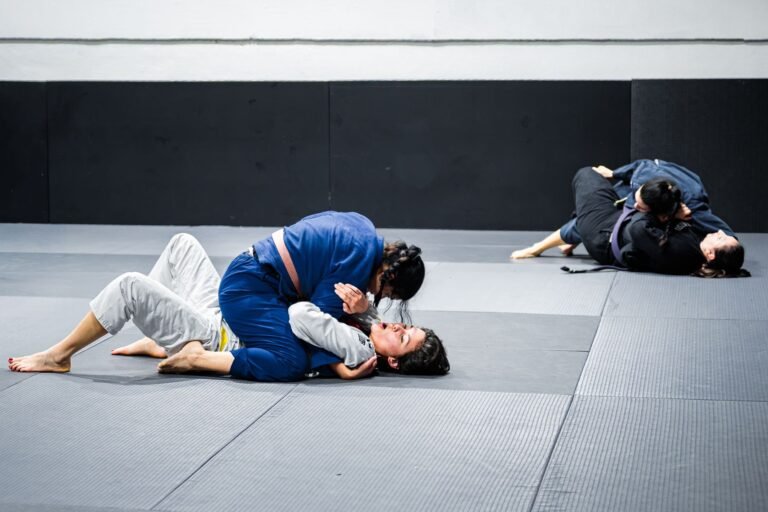
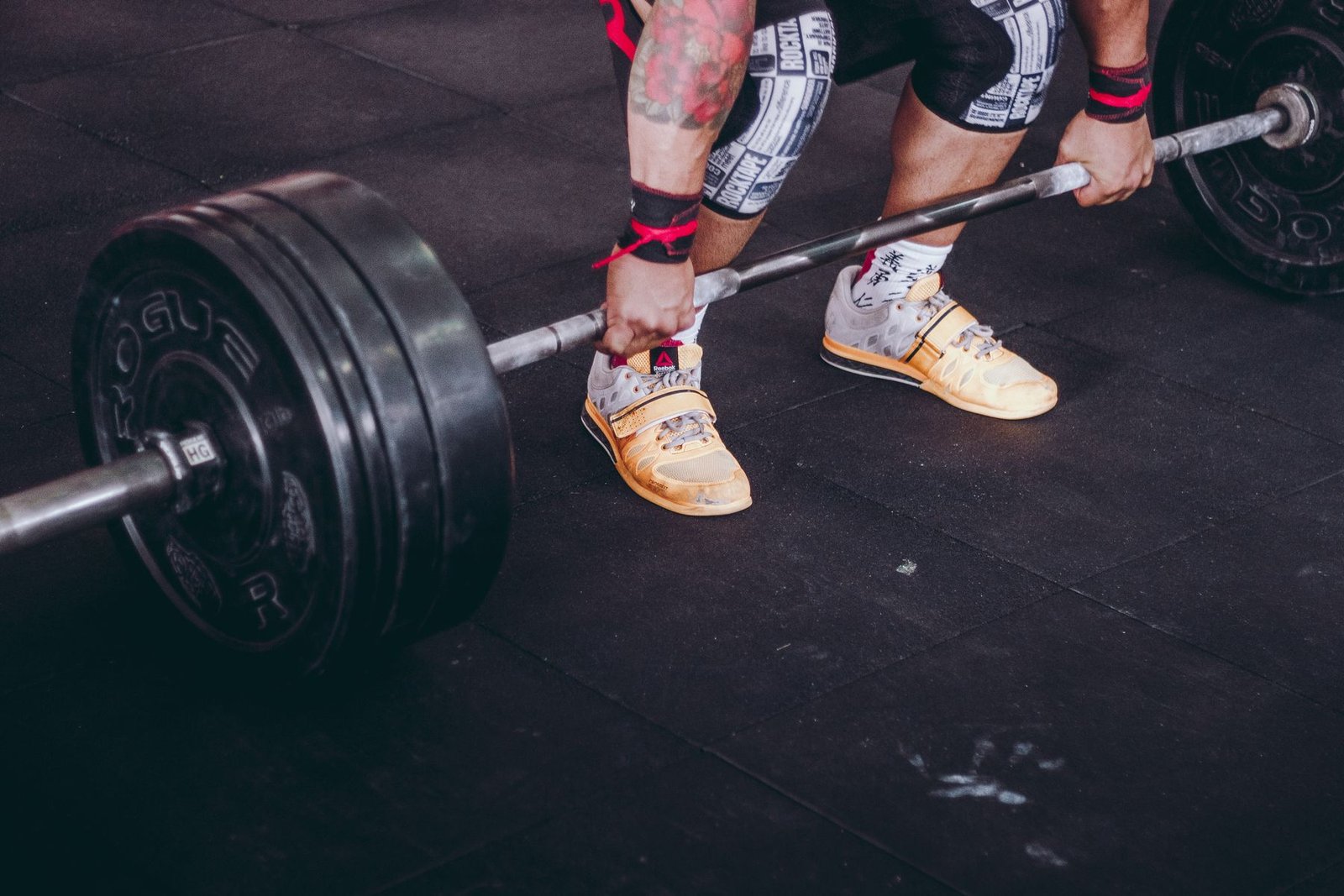
Strength Training for Grapplers: Lift to Roll Better
Strength doesn’t replace technique. A strong beginner still gets tapped by a skilled one. But once you have the basics, strength is the difference between a position you hold and a position you lose.
If you’re asking whether you should lift as a grappler, the answer is yes. The real question is how to lift without wrecking your training. Here’s how.
Should BJJ and grappling athletes lift weights?
Yes. Strength training helps you hold positions, power out of bad spots and stay healthier over the long run. It’s not about chasing a bodybuilder look. It’s about building a body that can handle the mat week after week.
Pull more than you push
Grappling is mostly pulling. Pull-ups, rows, deadlift variations and heavy carries build the back, arms and grip you use every round. Grip is a weak link for most people. Towel hangs, thick bar work and farmer carries fix that.
Build the hips and legs
Hips run everything. Escapes, bridges, sweeps and takedowns. Squats, hip hinges, single leg work and glute bridges keep them strong and mobile. Strong legs also keep your guard alive late in a round when everyone else is dying.
Train the core to resist, not just crunch
Carries, planks and anti-rotation work teach your trunk to hold position while someone is trying to move you. That’s what a grappler’s core does all day. Sit-ups are fine. Resisting movement is better.
Neck work, carefully
A stronger neck helps in scrambles and takedowns and makes you harder to choke. Build it slowly with light weight and good form. Ask your coach or a qualified trainer if you’re not sure how.
A simple weekly plan for grapplers
This is a sample, not a prescription. Adjust it around your mat schedule.
- Day A (lower and hinge): Squat or leg press, Romanian deadlift, split squats, bridges, carries.
- Day B (pull and press): Pull-ups, rows, overhead press, push-ups or bench, grip work.
- Optional Day C: Light full body, mobility and core.
For most people, two or three lifting sessions a week is plenty. Four to six sets of the main lifts, with three to eight reps on the heavy ones, covers the basics.
How to fit lifting around BJJ
- Keep heavy lower body days away from your hardest rolling days.
- Lift after training on the same day, or on separate days if you can.
- Don’t test your max the day before competition.
- Keep it simple. You’re not chasing a bodybuilding split. You’re building a stronger grappler.
Common mistakes
- Lifting too heavy, too often, then dragging your body to class.
- Skipping grip and neck work.
- Only training the mirror muscles and ignoring the back.
- Training like a powerlifter and moving like a statue.
Recover like it matters
Sleep, food and an easy week now and then. If you’re coming back from an injury, talk to a doctor or a qualified coach before you load anything heavy. Strength training should make you more durable, not less.
New to the mat? Start with BJJ for beginners. Want the fighter angle? See MMA training for beginners. And for the conditioning side of it, read tactical training fitness.
Lift heavy. Roll hard. Repeat.
FAQ
Does lifting weights help with BJJ?
Yes. It improves your ability to hold positions, escape and recover. It also helps protect your joints when done well.
How often should a grappler lift?
Two to three sessions a week works for most people. Adjust around your mat schedule and recovery.
What are the best exercises for grapplers?
Pull-ups, rows, deadlift variations, squats, split squats, carries and grip work. Focus on pulling and hips.
Will lifting make me too heavy or stiff for jiu-jitsu?
Not if you train smart and keep moving. Focus on strength, mobility and recovery rather than chasing size.
Train hard. Dress like it. 80SIX makes combat apparel for BJJ, grappling, MMA, boxing, strength training and tactical training. Shop the latest drop and Live Tough.