
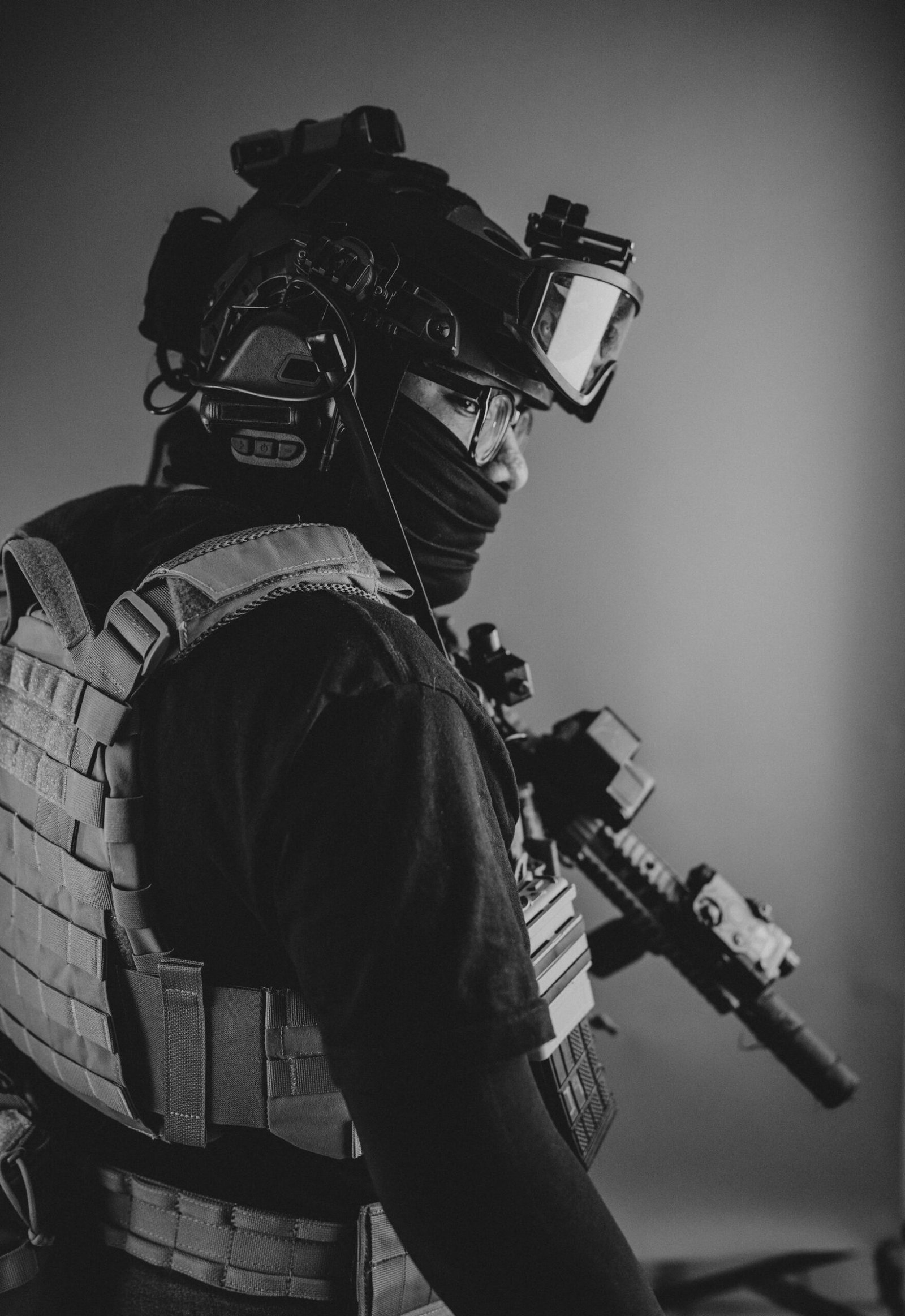
Tactical Training: Fitness That Doesn’t Quit When It Gets Ugly
Tactical training isn’t about gear or looking the part. It’s about being strong, conditioned and calm when things go wrong. Whether it’s work, training or your own standards, the principle is the same: be ready.
If you want to build real tactical fitness, here’s what to train and how to keep it simple.
What is tactical training?
Tactical training usually refers to the physical and mental preparation for demanding jobs like law enforcement, military, security and first response. It blends strength, endurance, mobility and stress control. You’re training to carry load, move fast and keep your head when you’re tired. The same principles work for anyone who wants a tougher, more capable body.
Strength under load
Squats, deadlifts, presses and pull-ups form the base. Add carries and sandbag work for real-world strength. You’re not training to look good in a mirror. You’re training to move heavy things when you’re already tired. Build a base first, then add complexity.
Conditioning that matters
Mix steady work with hard intervals. Rucking, running, sled pushes, burpees and rowing build a motor that keeps going. Train at different intensities, not just all out every day. Easy aerobic work builds the base. Hard intervals sharpen it.
How to start rucking
Rucking means walking with a loaded pack. Start light and easy. Ten to twenty pounds is plenty for the first few weeks. Focus on good posture and a steady pace. Build distance before weight. If your feet, knees or back complain, back off and build slowly. Rucking is simple, but it can hurt you if you rush.
Grip and carrying
Farmer carries, loaded carries and hangs build grip and trunk strength. Most people have weak grip and don’t know it until it fails. A strong grip carries into everything from pulling to hauling to grappling.
A simple tactical training week
- Day 1: Heavy lower body and carries.
- Day 2: Easy aerobic work like a run, ruck or row.
- Day 3: Upper body strength, pull-ups and rows.
- Day 4: Intervals. Sled pushes, sprints or circuits.
- Day 5: Full body, light work, mobility and core.
Adjust to your job, your schedule and your recovery. If you also train combat sports, cut a day or two.
Learn to stay calm
Stress narrows your thinking. Breathe slow, loosen the shoulders, make one decision at a time. Combat sports are a great place to practice this because you learn to think while someone’s pressuring you. Read how to handle your ego when you get tapped.
Skills need real instruction
Anything involving weapons, medical care or defensive tactics needs a qualified instructor and proper legal training. Get it from professionals, not from the internet. This article is about fitness and mindset only.
Train like it matters
Show up, work hard and recover. Strength, conditioning and a clear head. That’s it. If you need to build the base first, start with strength training for grapplers.
FAQ
What is tactical training?
It is physical and mental preparation for demanding jobs like law enforcement, military and first response. It combines strength, endurance, mobility and stress control.
How do I start rucking?
Start with a light pack of ten to twenty pounds and walk at a steady pace. Build distance before adding weight, and back off if your feet, knees or back complain.
How many days a week should I do tactical fitness training?
Three to five days a week works for most people, with at least one full rest day.
Does combat sports training help with tactical fitness?
Yes. Boxing, Muay Thai, MMA and jiu-jitsu build conditioning, composure and the ability to think under pressure.
Train hard. Dress like it. 80SIX makes combat apparel for BJJ, grappling, MMA, boxing, strength training and tactical training. Shop the latest drop and Live Tough.